
Reflections #19
Singapore

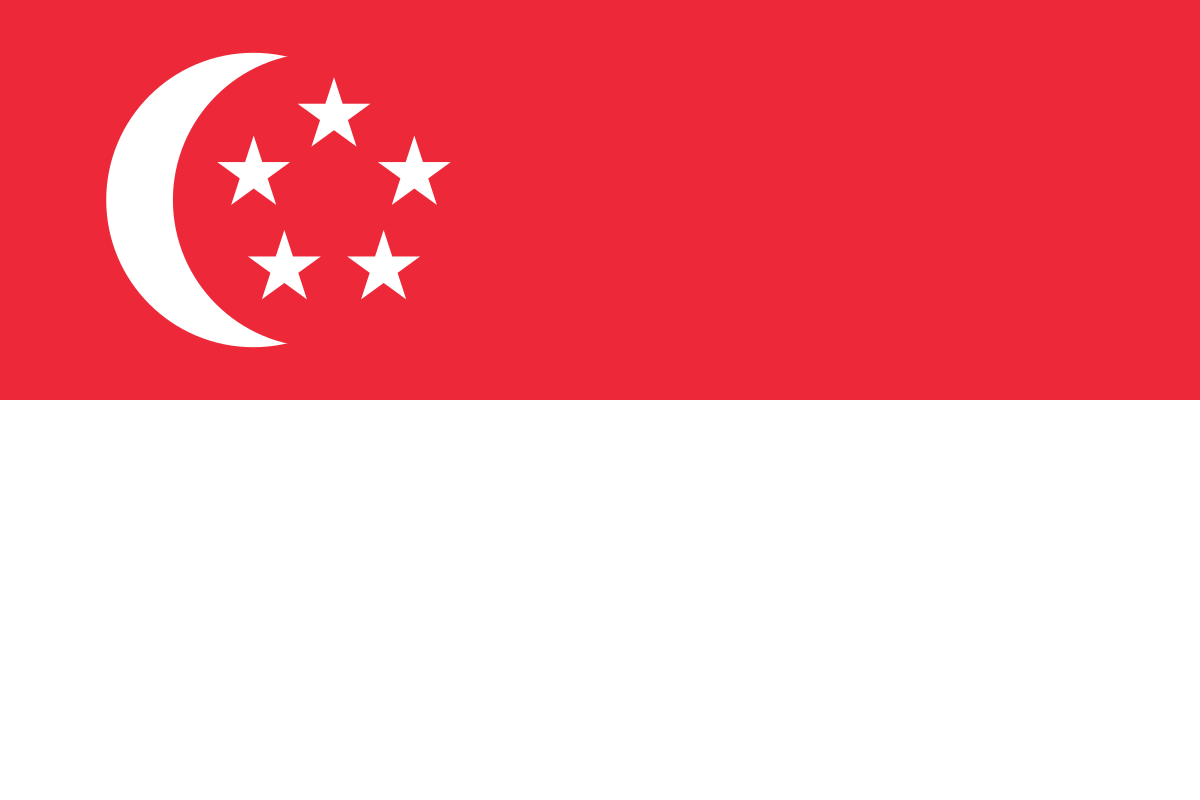
Singapore
Singapore comes up a lot in these circles. I have made many trips to Singapore and thought I would weigh in on the pros and cons of the country as well as other important points of consideration. I think very highly of Singapore and I look forward to returning there in the future. In my opinion, there are three things that Singapore is well known for:
1) Being a modern and successful country*,
2) Lee Kuan Yew, its founder,
3) Its low birth rate.
I will opine on all of these and more in this article.
Located between Malaysia and Indonesia, Singapore was discovered by the British colonial official Stamford Raffles (later Sir Stamford Raffles). It quickly became apparent to Britain that Singapore would be a key point along the trading route between India and China and also of great strategic importance to counter the Netherlands who, at that time, had control of Indonesia (then known as the Dutch East Indies).
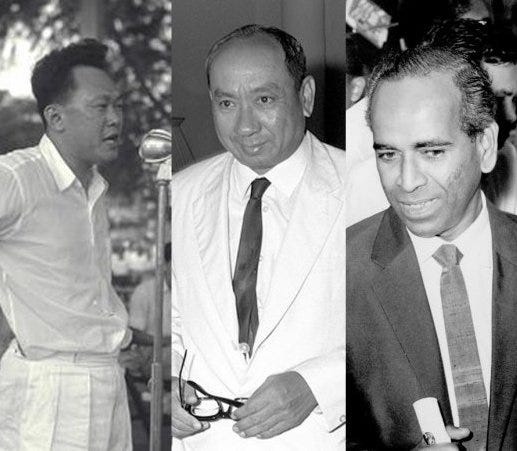
Singapore used to be part of the federation of Malaysia but broke away in 1965. To summarise briefly, during the union Malaysia wanted preferential treatment for Malays but Singapore wanted all the racial and religious groups treated equally, as Singapore’s founder Lee Kuan Yew believed in meritocracy. Another growing issue of discontent was perceived Chinese dominance of the economy. In 1964, deadly riots between Chinese and Malays claimed the lives of dozens and were a precursor to Singapore being unceremoniously thrown out of the federation. Its independence came reluctantly, against the best wishes Lee Kuan Yew who wanted to remain part of Malaysia. Going forward, Singapore would be shaped according to Lee’s vision: a successful, tolerant and multiracial democratic nation, one that would (over time) reconcile its difficult past by always looking forward and striving for a better tomorrow. Education, housing, politics and community relations, would all have to reflect Lee’s progressive idea of an inclusive multicultural nation, a nation where everyone would have a stake. In Singapore, group representation is codified into law.
